A 15 Ton Industrial Water Chiller Unit plays a critical role in temperature control for factories, plastic processing plants, laser systems, food production lines, pharmaceutical facilities, and many other industrial environments. Choosing the right cooling system can directly affect product quality, machine lifespan, energy efficiency, and operational stability.
This comprehensive guide explains how industrial water chillers work, where they are used, what technical factors matter most, and how businesses can reduce operational risks while maximizing cooling performance. Whether you are upgrading an existing system or investing in a new cooling solution, this article provides detailed insights to help you make an informed decision.
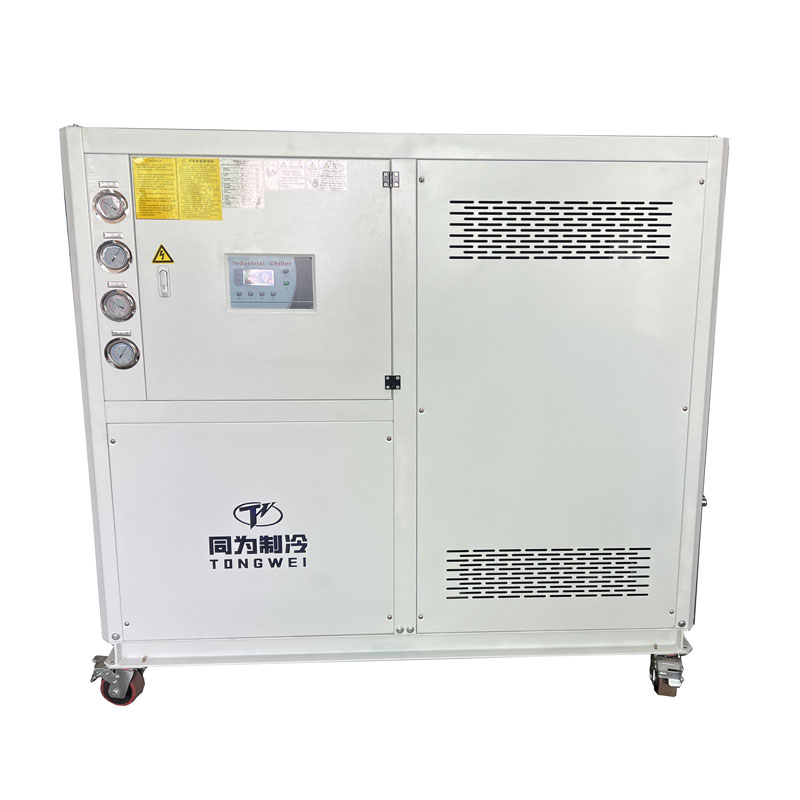
What Is a 15 Ton Industrial Water Chiller Unit?
A 15 ton industrial water chiller unit is a cooling system designed to remove heat from industrial processes or machinery. The term “15 ton” refers to the cooling capacity of the system, which equals approximately 180,000 BTU per hour or about 52.7 kW of cooling power.
These chillers are widely used in industrial environments where precise temperature control is essential. By circulating chilled water through equipment or process lines, the unit helps maintain stable operating conditions and prevents overheating.
|
Specification
|
Typical Value
|
|
Cooling Capacity
|
15 Tons
|
|
Cooling Power
|
Approx. 52.7 kW
|
|
Application Type
|
Industrial Cooling
|
|
Cooling Medium
|
Water/Glycol Solution
|
How Does an Industrial Water Chiller Work?
Industrial chillers operate based on refrigeration principles. The system absorbs unwanted heat from industrial equipment and transfers it away through refrigerant circulation.
The process typically includes four major components:
-
Evaporator
-
Compressor
-
Condenser
-
Expansion Valve
First, the evaporator absorbs heat from the process water. The refrigerant then carries this heat to the compressor, where pressure and temperature increase. The condenser releases the heat outside the system, while the expansion valve reduces refrigerant pressure to restart the cycle.
Key Advantage: Stable cooling improves production consistency and prevents expensive equipment damage caused by overheating.
Common Industrial Applications
A 15 ton industrial water chiller unit can support numerous industrial operations. Different industries rely on chillers to ensure process precision and operational reliability.
|
Industry
|
Application
|
|
Plastic Manufacturing
|
Injection molding cooling
|
|
Laser Equipment
|
Laser tube temperature control
|
|
Food Processing
|
Product preservation and cooling
|
|
Chemical Industry
|
Reaction temperature stabilization
|
|
Pharmaceutical Production
|
Precision environmental control
|
|
Printing Industry
|
Ink and roller cooling
|
In many manufacturing facilities, temperature fluctuations can directly impact product quality. Industrial chillers provide reliable thermal management that supports continuous production.
Major Benefits of Industrial Chillers
Investing in a high-quality 15 ton industrial water chiller unit provides several operational advantages.
Improved Product Quality
Stable temperatures ensure consistent manufacturing conditions and reduce product defects.
Reduced Downtime
Proper cooling prevents equipment overheating and minimizes unexpected shutdowns.
Energy Savings
Modern chillers use advanced compressors and smart controls to reduce power consumption.
Longer Equipment Lifespan
Controlled operating temperatures reduce wear and tear on industrial machinery.
How to Choose the Right Chiller
Selecting the right industrial chiller requires careful analysis of operational needs. Many buyers focus only on price, but technical compatibility is far more important.
Consider the following factors before purchasing:
-
Required cooling capacity
-
Ambient operating temperature
-
Type of industrial application
-
Water quality conditions
-
Energy efficiency requirements
-
Installation space availability
-
Noise limitations
-
Future production expansion plans
Oversized chillers may waste energy, while undersized systems can struggle to maintain stable cooling performance.
Air-Cooled vs Water-Cooled Chillers
One of the biggest decisions buyers face is whether to choose an air-cooled or water-cooled industrial chiller.
|
Feature
|
Air-Cooled
|
Water-Cooled
|
|
Installation
|
Simpler
|
More complex
|
|
Efficiency
|
Moderate
|
Higher
|
|
Maintenance
|
Lower
|
Higher
|
|
Water Usage
|
No cooling tower needed
|
Requires cooling tower
|
|
Best For
|
Small to medium facilities
|
Large industrial operations
|
Energy Efficiency Considerations
Energy consumption is one of the largest operational costs associated with industrial cooling systems. Businesses should prioritize energy-efficient chillers to reduce long-term expenses.
Features that improve efficiency include:
-
Variable frequency drive compressors
-
Smart temperature controllers
-
High-efficiency heat exchangers
-
Eco-friendly refrigerants
-
Automatic load adjustment systems
Proper insulation and regular maintenance also contribute significantly to energy savings.
Maintenance Best Practices
Regular maintenance is essential for ensuring reliable chiller operation and maximizing equipment lifespan.
|
Maintenance Task
|
Recommended Frequency
|
|
Inspect refrigerant levels
|
Monthly
|
|
Clean condenser coils
|
Quarterly
|
|
Check water quality
|
Monthly
|
|
Inspect electrical connections
|
Semi-annually
|
|
Replace filters
|
As needed
|
Preventive maintenance can significantly reduce emergency repair costs and improve system reliability.
Common Buying Mistakes
Many businesses encounter performance problems because of poor purchasing decisions.
-
Ignoring future capacity expansion
-
Choosing based only on price
-
Overlooking local climate conditions
-
Failing to verify electrical compatibility
-
Neglecting maintenance accessibility
-
Using incorrect water treatment methods
Working with an experienced manufacturer helps avoid these costly issues.
Future Trends in Chiller Technology
Industrial cooling technology continues to evolve rapidly. Modern chillers are becoming more intelligent, energy-efficient, and environmentally responsible.
Emerging trends include:
-
IoT-enabled remote monitoring
-
AI-based predictive maintenance
-
Low-GWP refrigerants
-
Advanced inverter compressor systems
-
Integrated smart factory compatibility
These innovations help manufacturers reduce operational costs while improving cooling accuracy and reliability.
Why Choose Guangdong Tongwei Machinery Co., Ltd.
Guangdong Tongwei Machinery Co., Ltd. specializes in industrial cooling equipment designed for modern manufacturing applications. The company focuses on reliable performance, efficient cooling technology, and durable system construction.
Customers benefit from:
-
Professional engineering support
-
Customized industrial cooling solutions
-
Stable product performance
-
Comprehensive technical assistance
-
Strict quality control standards
Whether your facility operates in plastics, food processing, pharmaceuticals, electronics, or laser manufacturing, selecting a dependable chiller supplier can significantly improve operational efficiency.
Frequently Asked Questions
1. What industries use a 15 ton industrial water chiller unit?
These chillers are commonly used in plastics, pharmaceuticals, food processing, laser systems, printing, chemical manufacturing, and electronics industries.
2. How much electricity does a 15 ton chiller consume?
Power consumption depends on compressor efficiency, operating conditions, and cooling load. Energy-efficient models can significantly reduce electricity usage.
3. How long does an industrial chiller last?
With proper maintenance, a high-quality industrial chiller can operate effectively for 10 to 20 years.
4. What is the difference between process cooling and comfort cooling?
Process cooling focuses on maintaining precise temperatures for industrial machinery, while comfort cooling is designed for human environments like offices or homes.
5. How can I improve chiller efficiency?
Regular maintenance, clean condenser coils, optimized water flow, and smart control systems can greatly improve efficiency.
Conclusion
A 15 Ton Industrial Water Chiller Unit is a critical investment for businesses that require stable, efficient, and reliable temperature control. The right cooling solution can improve product quality, reduce operational downtime, extend machinery lifespan, and optimize overall production efficiency.
From understanding cooling capacity to evaluating energy efficiency and maintenance requirements, businesses must carefully assess their operational needs before choosing a chiller system.
Guangdong Tongwei Machinery Co., Ltd. provides professional industrial cooling solutions tailored to various manufacturing applications. If you are looking for dependable cooling equipment with strong technical support and long-term performance, contact us today to discuss your industrial cooling requirements.