Copyright © 2023 Guangdong Tongwei Machinery Co., Ltd. All Rights Reserved.
Links Sitemap RSS XML Privacy Policy
Water Chillers, as commonly used refrigeration equipment in different industrial production, are crucial for ensuring the smooth operation of production and daily life. However, water leaks can occur during use, not only wasting water resources but also potentially causing equipment damage, production stoppages, and even safety hazards. Therefore, understanding the causes of chiller leakage and taking effective solutions is of great importance. Below, Tongwei Chiller will discuss the causes of chiller leakage and their solutions.
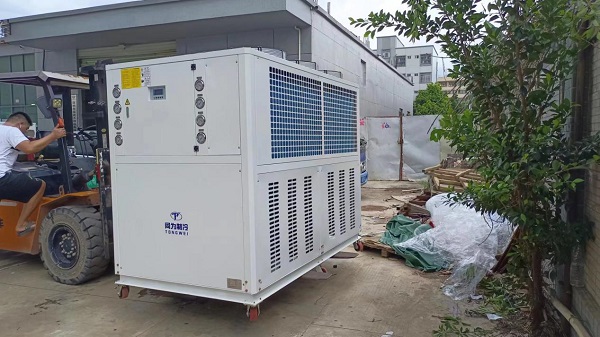
The piping system of a water chiller consists of numerous pipes, valves, joints, and other components. Leakage can easily occur at the connections between these components due to improper installation, aging or damage to the sealing materials. For example, during installation, if pipe joints are not tightened properly or the sealant is not applied evenly, coolant leakage may occur. Additionally, over time, gaskets will gradually age and lose elasticity, failing to provide an effective seal and leading to leaks.
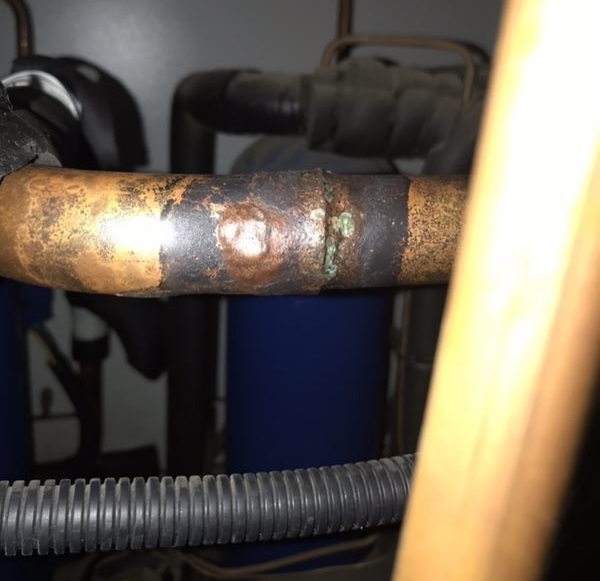
The evaporator and condenser are the core heat exchange components of a water chiller, and they are subjected to significant pressure and temperature changes during operation. If the copper tubes of the evaporator or condenser are damaged, such as ruptured or perforated, coolant leakage will occur. There can be various causes for this damage, such as poor water quality leading to copper tube corrosion, excessively high refrigeration system pressure, and mechanical vibration.
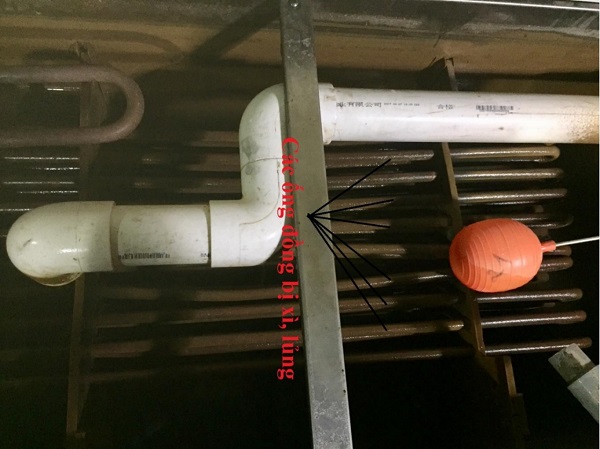
The water pump is a key component that propels the circulation of coolant in the industrial water chiller system. When the pump's seals are worn or damaged, coolant will leak from the connection between the pump shaft and the pump body. In addition, wear on the pump impeller and cracks in the pump casing can also lead to leaks.
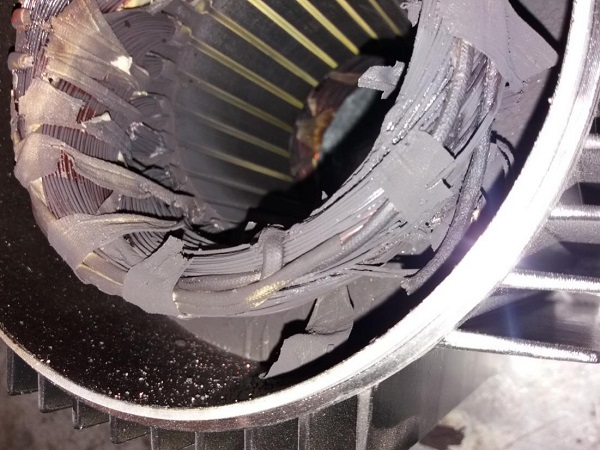
The water tank of the chiller is used to store coolant water. If the water tank is subjected to external impact, corrosion, or poor welding quality, it may crack or the weld crack, resulting in coolant leakage.
Various valves in the water chiller system, such as gate valves, safety valves, and expansion valves, may experience problems such as valve core wear and poor sealing during long-term use, leading to coolant leakage from the valves.
When the refrigeration system pressure of a water chiller is too high, it will put excessive pressure on various components in the system, which can easily lead to cracks in seals or loosening of pipe connections, resulting in water leakage. Causes of excessive system pressure may include poor condenser heat dissipation, overcharging of refrigerant, and system blockage.
Regularly inspect the pipe connections of the water chiller to ensure all joints are tightened and properly sealed. Tighten any loose joints immediately; replace any aged or damaged sealing gaskets or sealant. Strictly follow operating procedures during pipe installation to ensure installation quality.
If damage is found in the evaporator or condenser, appropriate repair measures should be taken according to the extent of the damage. Minor corrosion or perforation can be repaired by welding; severely damaged components require replacement with a new evaporator or condenser. At the same time, it is important to keep the refrigeration system clean, and the evaporator and condenser should be cleaned regularly to prevent further corrosion from water contamination.
When a water pump leaks, first check if the seals are worn or damaged. If the problem lies with the seals, replace them. If the problem is with the impeller or pump casing, the pump needs to be repaired or replaced. After repairing or replacing the pump, it should be tested to ensure it operates normally.
For cases of cracked water tanks or welded joints, repair or replacement can be performed depending on the extent of the damage. Minor damage can be repaired by welding or bonding; more extensive damage requires replacement with a new water tank. After repairing or replacing the water tank, a water pressure test should be conducted to ensure its proper sealing.
Regularly inspect the valves in the chiller system to promptly identify and address any valve malfunctions. Valves with worn valve cores or poor seals can be repaired or replaced. Important valves such as safety valves should be calibrated regularly according to regulations to ensure their proper functioning.
When the water chiller system pressure is found to be too high, the cause should be identified and adjusted promptly. If it is caused by poor condenser heat dissipation, the dust and debris on the condenser surface should be cleaned to ensure the condenser's heat dissipation effect. If it is caused by excessive refrigerant charge, the excess refrigerant should be released appropriately. If it is caused by system blockage, the blockage in the system should be cleared to ensure normal refrigerant circulation.
Water leakage for a industrial water chiller can negatively impact the normal operation of the equipment and daily life and production. By analyzing the causes of chiller leakage and taking corresponding solutions, leakage problems can be effectively prevented and resolved, ensuring the safe and stable operation of the chiller and improving its lifespan and efficiency. In practical use, it is essential to strengthen the maintenance and upkeep of the chiller, conduct regular inspections and adjustments, and promptly identify and address potential problems to ensure that the chiller is always in good working order. If you want know information about the chiller leakage ,welcome contact Tongwei Chiller by email:[email protected]
Copyright © 2023 Guangdong Tongwei Machinery Co., Ltd. All Rights Reserved.
Links Sitemap RSS XML Privacy Policy