Copyright © 2023 Guangdong Tongwei Machinery Co., Ltd. All Rights Reserved.
Links Sitemap RSS XML Privacy Policy
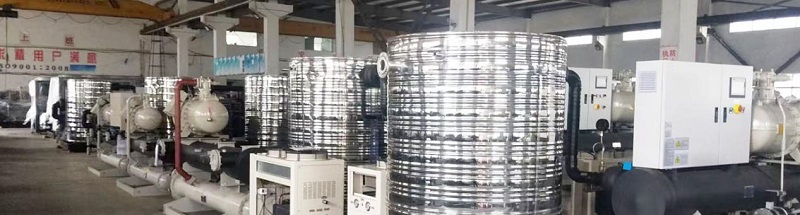
Water cooled screw chiller is a type of industrial chiller that use screw compressors. Its cooling capacity is higher than scroll chiller and is mainly used in chemical plants, food and beverage factories, ink printing plants, automobile manufacturing plants, and other large-scale industrial refrigeration applications. As commonly used equipment in industrial and commercial refrigeration, water cooled screw chiller provides reliable cooling services to various locations. Proper operation, maintenance, and management are crucial to ensuring efficient operation, extending service life, and guaranteeing safety. In this article, Tongwei Chiller will discuss some key considerations regarding water cooled screw chiller.
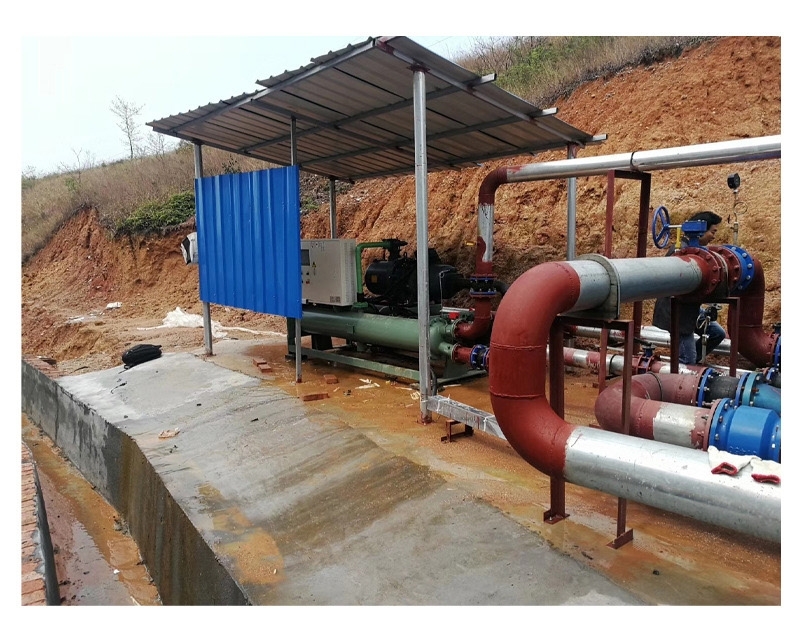
Site Selection and Foundation: The water cooled screw chiller unit should be installed in a well-ventilated, dry location free of corrosive gases. If installed outdoors, it is best to construct a shed to protect the chiller from rain. The foundation must be sturdy and level, capable of withstanding the weight and vibration of the unit during operation. The load-bearing capacity of the foundation should be designed according to the unit's technical parameters to ensure that the unit will not sink or tilt after installation.
Piping Connections: The connections between cooling water and chilled water pipes must be correct. Before connection, ensure the inside of the pipes is clean and free of debris. Piping should be laid out rationally, minimizing bends and resistance to reduce flow resistance and energy loss. Necessary valves and instruments, such as shut-off valves, regulating valves, pressure gauges, and thermometers, should be installed to facilitate system operation, adjustment, and monitoring.
Electrical Connections: Electrical connections should be performed by a qualified electrician, strictly following the electrical schematic diagram and relevant specifications. Ensure the power supply voltage and frequency match the unit's rated values and that grounding is adequate to prevent electrical faults and electric shock accidents.
Pre-start Inspection: Before starting the water cooled screw chiller, a comprehensive inspection of the cooling water system, chilled water system, and electrical system is required. Confirm that the water cooling tower and chilled water pump are operating normally, and that the water level and pressure are normal; check that the lubricating oil level is within the normal range and the oil temperature is appropriate; check that the wiring of the electrical equipment is secure and that the instrument displays are normal.
Start-up Sequence: Operate the unit according to the correct start-up sequence. Generally, start the cooling water pump and chilled water pump first, and then start the compressor after the system water flow has stabilized. During startup, closely monitor the unit's operating parameters, such as current, voltage, pressure, and temperature. If any abnormalities are found, stop the unit immediately for inspection.
Operating Parameter Monitoring: During unit operation, monitor all operating parameters in real time to ensure they remain within the unit's rated range. Regularly record the unit's operating data, such as condensing pressure, evaporating pressure, compressor current, chilled water inlet and outlet temperatures, and cooling water inlet and outlet temperatures, to promptly identify and adjust any problems encountered during unit operation.
Load regulation: Adjust the unit's operating load reasonably according to the actual cooling load demand. Water-cooled screw chiller units typically have a certain load regulation range, which can be achieved by adjusting the compressor speed, slide valve position, or the number of compressors. Avoid operating the unit under low or high load conditions for extended periods to prevent affecting the unit's performance and lifespan.
Regular Maintenance: Develop a detailed regular maintenance plan, including cleaning, lubrication, tightening, and inspection of the water cooled screw chiller unit. Regularly clean the heat exchange tubes of the condenser and evaporator to remove scale and dirt, improving heat exchange efficiency; regularly change the lubricating oil and oil filter to ensure proper lubrication of the compressor; inspect the unit's electrical components and control circuits, promptly identifying and addressing potential electrical faults.
Refrigerant Management: Regularly check the refrigerant charge level and for leaks. If a refrigerant leak is found, promptly locate and repair it, and replenish the appropriate amount of refrigerant. At the same time, pay attention to the safe storage and use of refrigerant to avoid harm to the environment and human health caused by refrigerant leaks.
Replacement of Vulnerable Parts: Understand the list of vulnerable parts for the water cooled screw chiller unit, such as seals, bearings, solenoid valves, etc., and replace these parts regularly based on actual operating conditions. Maintain a stockpile of necessary vulnerable parts in advance so that they can be replaced promptly when needed, minimizing unit downtime.
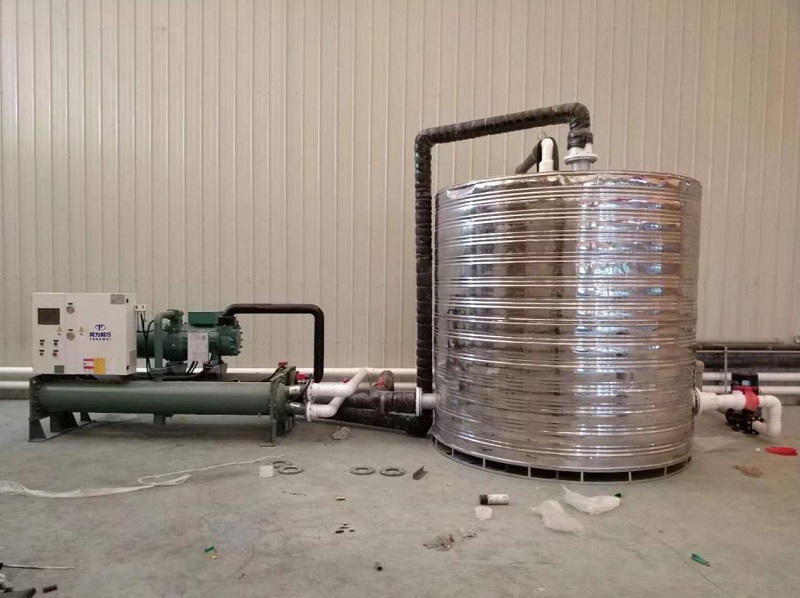
Safety Devices: Ensure water cooled screw chiller's safety devices are complete and effective, such as safety valves, pressure switches, and temperature protection devices. Regularly check the performance of these safety devices to ensure they activate promptly in case of abnormal conditions, protecting the unit and personnel.
Operating Procedures: Develop strict operating procedures and train operators to be familiar with the unit's operation methods and safety precautions. Operators must strictly follow the operating procedures and must not arbitrarily change the unit's operating parameters or perform any other unauthorized operations.
Emergency Response: Develop comprehensive emergency response plans, clearly defining procedures and responsibilities for handling unit malfunctions or emergencies. Regularly conduct emergency drills to improve operators' emergency response capabilities, ensuring swift and effective handling in the event of an accident and minimizing losses.
The proper use and maintenance of water-cooled screw chillers requires comprehensive consideration of installation, operation, maintenance, and safety. Only by strictly adhering to relevant operating procedures and maintenance requirements can the unit's efficient and stable operation be ensured, providing reliable cooling services to users while reducing operating costs and extending equipment lifespan. For more information on water-cooled screw chiller installation, please contact Tongwei Chiller by email:[email protected]
Copyright © 2023 Guangdong Tongwei Machinery Co., Ltd. All Rights Reserved.
Links Sitemap RSS XML Privacy Policy