Copyright © 2023 Guangdong Tongwei Machinery Co., Ltd. All Rights Reserved.
Links Sitemap RSS XML Privacy Policy
Industrial water chillers play an indispensable role in modern industrial production, providing a stable low-temperature environment for numerous production stages and ensuring smooth operation. However, proper daily maintenance is crucial to ensuring that industrial water chillers maintain efficient and stable operation. Tongwei Chiller, as a professional industrial chiller manufacturer from China , will discuss how to properly maintain industrial water chillers. Let's fellow up with us.
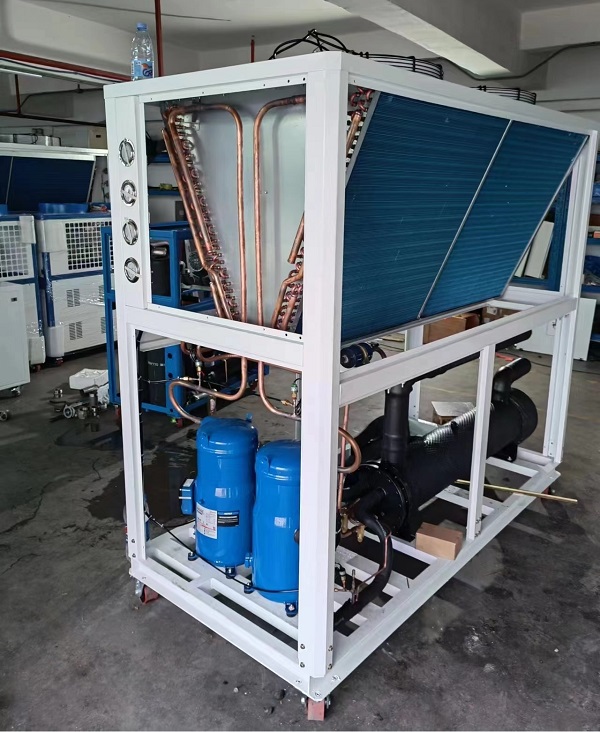
Maintaining the condenser of the industrial water chiller is not only about its appearance, but more importantly, it prevents dust and debris from entering the equipment and affecting its normal operation. The chiller's condenser should be wiped regularly (at least once a week) with a clean, soft cloth to remove dust from the condenser fins and ensure good heat dissipation. At the same time, the environment around the chiller should be kept clean. Ensure sufficient ventilation space around the equipment; generally, a distance of at least 50 cm should be maintained between the equipment and walls or other equipment to facilitate air circulation and prevent overheating.
The refrigeration system is the core component of an industrial water chiller, and its performance directly affects the chiller's cooling effect. Regularly checking the pressure of the refrigeration system is crucial. Generally, the high and low pressures of the chiller should be checked daily and compared with the equipment's normal operating parameters. If abnormal pressure is found, the cause should be identified and addressed promptly. For example, excessively high pressure may be due to poor condenser heat dissipation or excessive refrigerant; excessively low pressure may be caused by refrigerant leakage or a malfunctioning expansion valve.
Except for checking the pressure, the user also should inspect regularly the various components of the refrigeration system, such as the condenser, evaporator, and expansion valve. Check the compressor's operating sound for normalcy and any abnormal vibrations; check the condenser's exhaust fins for cleanliness and blockages, and clean any blockages promptly; check the evaporator's frosting condition—normally, the evaporator surface should be evenly frosted; excessively thick frost in certain areas or no frost at all may indicate uneven cooling distribution or an evaporator malfunction; check the expansion valve's opening for proper function and for any blockages or leaks.
In addition, the refrigerant level of the refrigeration system should be checked periodically (usually every six months). If the refrigerant is found to be insufficient, it should be replenished promptly, but care must be taken to ensure that the type and amount of refrigerant meet the chiller requirements.
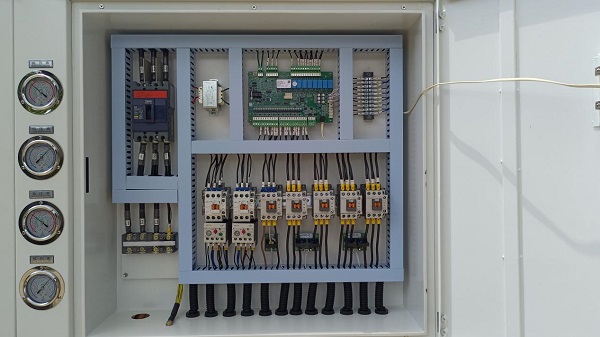
The electrical system is crucial for the normal operation of industrial water chillers. Regular maintenance can effectively prevent electrical faults. First, regularly inspect the electrical wiring for damage, aging, or looseness. If any wiring problems are found, replace or repair them promptly.
Inspect the electrical control components, such as contactors, relays, and circuit breakers, to check for burning or oxidation on the contactor contacts, ensure the relays operate correctly, and verify the reliability of the circuit breaker's protection function. Replace any worn or faulty components immediately.
For water cooled industrial chillers, the maintenance of the cooling system is particularly important. Regularly check the cooling water quality to ensure it meets the equipment's requirements. If the water quality is poor, water treatment should be carried out promptly, such as installing a water softener or adding water stabilizers, to prevent scaling and corrosion in the cooling system.
Regularly clean the cooling water pipes and condenser. During use, scale, sediment, and other impurities easily accumulate in the cooling water pipes and condenser, affecting cooling efficiency. Generally, the cooling water pipes and condenser should be cleaned at least once a year, using either chemical or physical cleaning methods.
For air cooled industrial refrigeration units, the condenser fins should be cleaned regularly to ensure clean fin surfaces and good ventilation. Compressed air or a soft brush can be used to clean dust and debris from the fins.
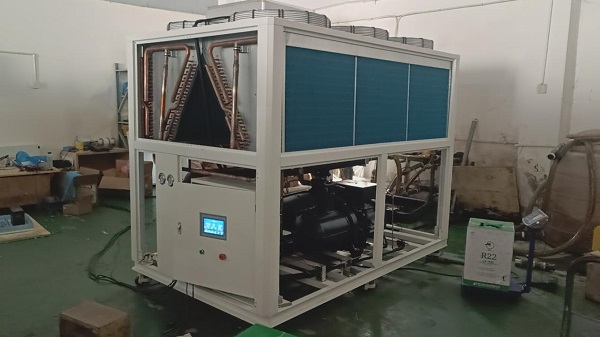
Proper routine maintenance of industrial water chillers requires a multi-faceted approach, including cleaning the condenser and surrounding environment, inspecting the refrigeration system, maintaining the electrical system, and servicing the cooling system. Only by implementing these maintenance tasks effectively can we ensure that the industrial water chiller maintains efficient and stable operation, providing reliable low-temperature protection for industrial production, extending the equipment's lifespan, and reducing operating costs. For more information on chiller maintenance, please contact Tongwei Chiller by email :[email protected]
Copyright © 2023 Guangdong Tongwei Machinery Co., Ltd. All Rights Reserved.
Links Sitemap RSS XML Privacy Policy