Copyright © 2023 Guangdong Tongwei Machinery Co., Ltd. All Rights Reserved.
Links Sitemap RSS XML Privacy Policy
Water chillers play a crucial role in ensuring stable equipment operation as core temperature control devices in industries such as plastics, food, laser processing, and medical equipment. However, many ending-users often encounter problems with chiller cooling performance, failing to achieve the expected cooling effect, thus impacting production efficiency and the long-term use of the equipment. By analyzing the reasons for unsatisfactory chiller cooling performance and taking corresponding solutions, companies can not only improve the chiller's operating efficiency but also avoid potential equipment failures.In this article ,Tongwei chiller will discuss about the factors cause the unsatisfactory cooling effect.
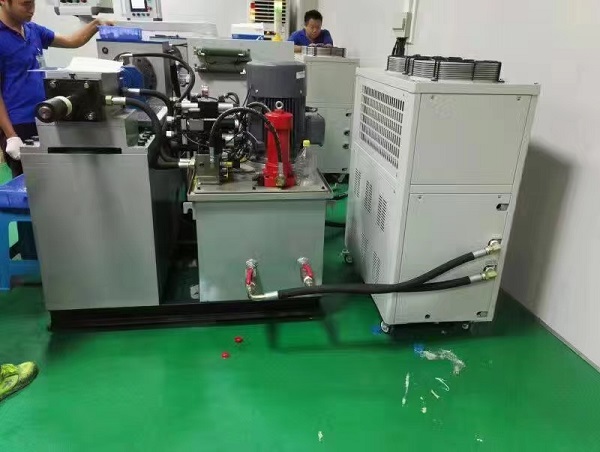
The cooling effect of a chiller is closely related to the temperature of its operating environment. If the ambient temperature is too high, the chiller cannot dissipate heat effectively, and its cooling effect will be greatly reduced. In many industrial production environments, excessively high workshop temperatures or a large number of items piled up around the equipment will affect the chiller's heat dissipation efficiency, resulting in poor cooling performance.
To ensure the chiller operates under optimal conditions, first ensure good ventilation in its working environment and avoid obstructing the radiator with surrounding objects. If necessary, consider adding auxiliary equipment such as exhaust fans to lower the ambient temperature and thus improve the chiller's cooling efficiency. For example, if you install the chiller indoors against a wall, it must be at least 1 meter away from the wall to ensure good heat dissipation.
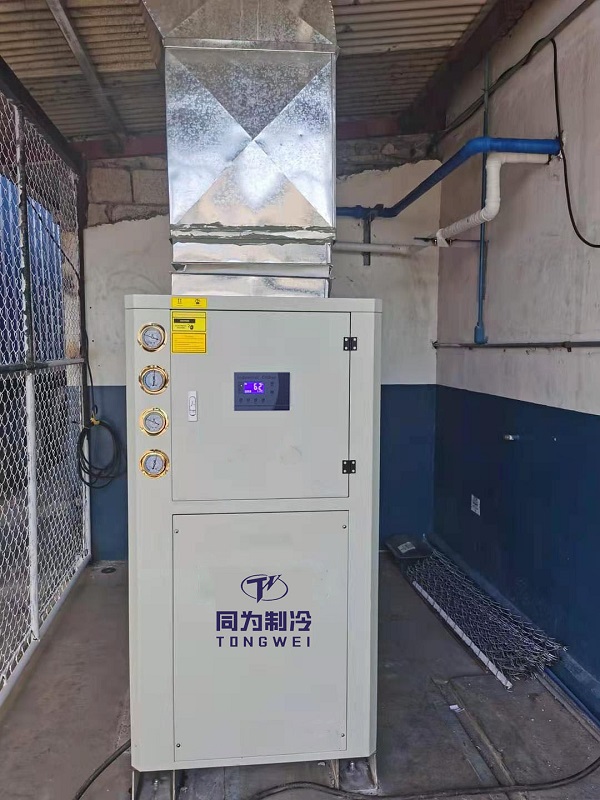
The selection of the chiller is one of the key factors affecting its cooling effect. If the cooling capacity of the selected chiller does not match the actual load demand, it will lead to poor cooling performance. Insufficient cooling capacity will not meet the equipment's needs, while excessive cooling capacity will increase unnecessary energy consumption and cause waste.
When purchasing a chiller, it is essential to select the appropriate equipment based on actual usage requirements. We recommend that customers provide data on the equipment's load and operating environment during the selection process to ensure that the chiller's cooling capacity matches their needs. Generally, users need to provide the inlet and outlet water temperatures and flow rates to calculate the chiller's cooling capacity and then select a suitable chiller model.
If chillers operate in extended periods without regular maintenance and upkeep will also experience a decline in cooling efficiency. Common maintenance issues include a clogged condenser, a blocked filter, and insufficient coolant, all of which can increase the workload on the chiller and reduce its cooling performance.
Regular cleaning and inspection of the chiller are crucial for maintaining stable equipment operation. In particular, the condenser and filter should be cleaned regularly to prevent dust and debris buildup, which can affect heat dissipation efficiency. The water in the tank should be changed regularly, generally every three weeks. Furthermore, checking the coolant level and quality, and replacing the coolant promptly, can effectively extend the chiller's lifespan and maintain good cooling performance. Tongwei chillers use high-quality components, resulting in a long service life and low maintenance requirements, helping users reduce maintenance costs.
If a chiller operates under overload conditions for an extended period, its cooling efficiency will decrease. In order to save cost ,many users often choose to install only one chiller. However, in actual production, the equipment load frequently exceeds the chiller's design capacity, thus affecting the cooling effect.
Properly distributing the load and maintaining the chiller's optimal operating conditions are prerequisites for ensuring its cooling effect. For production environments with high loads, it is recommended to use multiple chillers working in tandem to share the load, avoid overloading a single unit, and ensure stable cooling performance. Tongwei offers different chiller solutions in various specifications to meet the needs of different industries and application scenarios.
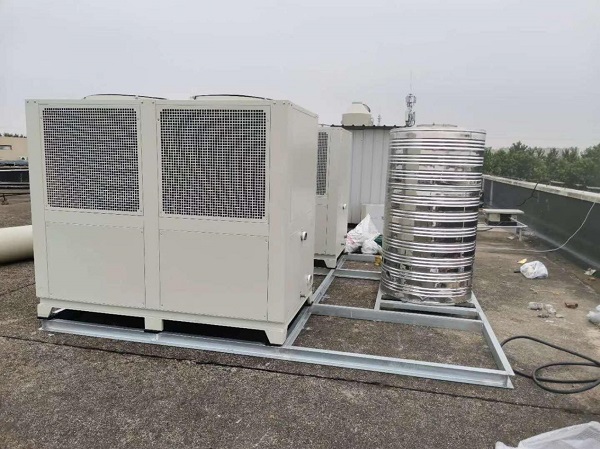
The design of chiller system also significantly impacts its cooling performance. Inadequate design of the refrigeration piping, such as excessively long pipes, too many bends, or improper valve placement, can all lead to decreased cooling efficiency.
When installing a chiller, a professional technician should design the system to ensure that the piping is as short and straight as possible, minimizing unnecessary bends, and that valves and pressure control devices are installed appropriately to avoid excessive pressure loss. Tongwei focuses on the precise design of every aspect in the design and manufacture of its chillers, striving to find the optimal balance between energy saving and high-efficiency cooling.
Many precision devices are extremely sensitive to temperature changes, especially laser and medical equipment. Fluctuations in the cooling temperature supplied by the chiller can affect the stability and accuracy of the equipment. This is common in production environments with frequent fluctuations in external loads, leading to an imbalance in the chiller's temperature control.
To address the issue of excessive external load fluctuations, temperature monitoring and automatic adjustment functions can be added to the chiller system. For example, Tongwei chillers utilize an intelligent temperature control system that monitors system load changes in real time, automatically adjusts cooling output, maintains stable temperature control, and ensures precise temperature control even during load fluctuations.
Chillers are crucial equipment in industrial production, and their cooling performance directly impacts production efficiency and equipment lifespan. By understanding and resolving common issues leading to unsatisfactory cooling effects, users can significantly improve equipment performance, reduce production failure rates, and enhance product quality. Cooling Chiller is committed to providing precise, efficient, and stable chiller solutions for various industries, helping businesses stand out from the competition.
For further questions regarding chiller selection or maintenance, please contact Tongwei Chiller by email: [email protected]. We will provide you with professional technical support and solutions.
Copyright © 2023 Guangdong Tongwei Machinery Co., Ltd. All Rights Reserved.
Links Sitemap RSS XML Privacy Policy